

Retention Systems: A Complete Overview
If you have ever wondered why some businesses seem to grow effortlessly while others constantly chase new customers just to stay afloat, the answer often comes down to one thing: customer retention systems. Retention is not about luck, clever slogans, or one-time promotions. It is about building intentional systems that keep customers engaged, satisfied, and coming back again and again. Once you understand how retention systems work, you begin to see growth very differently.
Understanding Customer Retention in Simple Terms
What customer retention actually means
Customer retention simply means keeping the customers you already worked hard to acquire. Instead of focusing only on attracting new buyers, retention focuses on continuing the relationship after the first purchase. Think of it like making a friend. Meeting someone is easy compared to building a lasting friendship. Retention is that ongoing relationship that turns a one-time transaction into a long-term connection.
Retention is measured through metrics like repeat purchase rate, customer lifetime value, and churn rate. These numbers tell you how well your business maintains customer relationships over time. When retention is strong, customers stay longer, spend more, and become advocates for your brand without being asked.
Retention vs customer acquisition, what metric matters more
Customer acquisition gets all the attention because it feels exciting. New traffic, new leads, new customers. But acquisition is also expensive and increasingly competitive. Retention, on the other hand, is where profitability and customer loyalty live. Studies consistently show that retaining existing customers costs significantly less than acquiring new ones, and retained customers tend to spend more over time.
Think of acquisition as filling a leaky bucket while retention focuses on maintaining a stable customer base. You can keep pouring water in, but if the leaks are not fixed, growth will always be limited. Customer retention systems patch those leaks, allowing every new customer to contribute more value instead of disappearing after one purchase.
If you have specific questions that aren’t covered in this article, please reach out to us here.
The real cost of losing customers
When customers leave, the loss goes far beyond a single sale. You lose future purchases, referrals, feedback, and trust. Worse, churn forces you to increase spending on ads just to maintain the same revenue level. Over time, this creates a dangerous cycle where marketing costs rise while margins shrink.

Retention systems exist to prevent this silent erosion. They create structure, consistency, and accountability around keeping customers engaged so growth compounds instead of resetting every month.
What Are Customer Retention Systems? A Clear Definition
Defining customer retention systems
Customer retention systems are structured, repeatable processes designed to keep customers engaged and purchasing over time. These systems combine technology, strategy, automation, and customer insights to deliver the right message, at the right time, through the right channel.
Unlike random follow-up emails or occasional discounts, retention systems are intentional. They are built to support the entire customer lifecycle, from first purchase to long-term loyalty. A true retention system runs quietly in the background, working every day without requiring constant manual effort.
Retention systems vs one-off marketing campaigns
One-off campaigns are reactive and often fail to enhance customer retention rate. Retention systems are proactive. A flash sale may spike revenue for a day, but a retention system increases revenue month after month, fostering a loyal customer base. Campaigns rely on timing and urgency. Systems rely on behavior and personalization.
Think of campaigns as sparks and systems as engines. Sparks burn quickly. Engines generate ongoing power. Businesses that rely only on campaigns eventually burn out their audience, while businesses with systems build sustainable growth.
Why systems outperform tactics
Tactics are tools. Systems are frameworks. Sending an email is a tactic. Designing a post-purchase email sequence that educates, reassures, and upsells customers automatically is a system that enhances customer support. Systems remove guesswork and replace it with structure.
Once built, retention systems scale effortlessly. They do not forget to follow up. They do not rely on memory or mood. They deliver consistent experiences, which is exactly what customers expect from brands they trust.
Core Components of an Effective Customer Retention System
Lifecycle email marketing
Email remains one of the most powerful retention channels when used correctly. Lifecycle email marketing sends messages based on where a customer is in their journey. Welcome emails, post-purchase education, replenishment reminders, and re-engagement campaigns all serve different purposes.
These emails are not generic newsletters. They are personalized, timely, and relevant. When done right, lifecycle email builds trust, reduces buyer’s remorse, and guides customers naturally toward their next purchase.
SMS and omnichannel communication
Modern customers do not live in one inbox. Effective retention systems use omnichannel communication, combining email, SMS, push notifications, and sometimes even direct mail to improve customer feedback. SMS works especially well for time-sensitive messages like delivery updates, limited offers, and reminders.
The key is balance. Retention systems are designed to communicate without overwhelming. Each channel has a role, and messages are coordinated to feel helpful rather than intrusive, improving customer service.
Loyalty and rewards programs
Loyalty programs are psychological retention tools. They reward customers for behavior you want to encourage, such as repeat purchases, referrals, or subscriptions. Points, perks, early access, and exclusive rewards all create emotional switching costs.
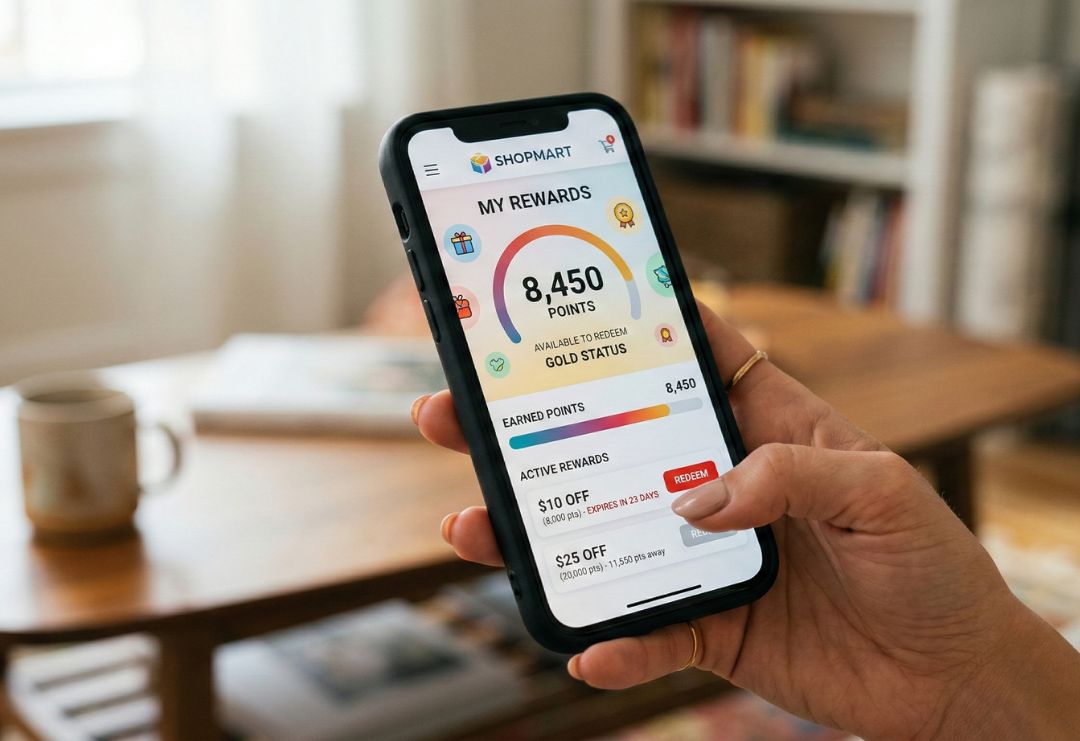
When customers feel invested, they stay. A strong loyalty program turns purchasing into a game, making customers feel recognized rather than just sold to.
Subscription and replenishment systems
Subscriptions remove friction from repeat purchases. Instead of asking customers to remember to reorder, retention systems do the remembering for them. Subscriptions create predictable revenue while providing convenience to customers.
Even non-subscription businesses can use replenishment reminders and smart reordering suggestions. These systems anticipate needs, making customers feel understood rather than marketed to, which is essential for customer satisfaction.
Customer data and behavioral tracking
Retention systems rely on data to function properly. Purchase history, browsing behavior, engagement levels, and feedback all inform how customers are segmented and communicated with. The better the data, the smarter the system.
Data transforms retention from guesswork into strategy. It allows personalization at scale, which is the foundation of modern customer experiences.
What Are Important Customer Retention Metrics to Monitor?
The best customer retention metrics to monitor tell you whether customers are sticking around and spending more over time. Repeat purchase rate shows how often customers come back after their first order. Customer lifetime value (LTV) reveals the total revenue a customer generates, making it one of the most important retention indicators. Churn rate highlights how many customers you are losing and where leaks exist in your system. Purchase frequency measures buying habits, while time between purchases shows engagement strength. Track email and SMS engagement rates too, because retention systems only work if customers are actually paying attention.
How Customer Retention Systems Actually Work
Mapping the customer journey
Every retention system starts with understanding the customer journey. This includes awareness, first purchase, onboarding, repeat purchase, loyalty, and potential churn, all crucial for improving the customer retention rate. Each stage has different questions, emotions, and needs.

Mapping these stages allows businesses to design touchpoints that support customers at the right moment. Instead of reacting to churn, retention systems intervene before disengagement happens.
Trigger-based automation
Automation is the backbone of retention systems. Triggers such as purchases, inactivity, product usage, or milestones activate specific messages or offers. For example, a customer who has not purchased in 45 days may receive a re-engagement email with personalized recommendations.
These triggers make retention timely and relevant, enhancing customer satisfaction. They ensure customers receive support when it matters most, without manual oversight.
Personalization at scale
Personalization is no longer optional. Retention systems personalize content based on preferences, behavior, and history, thereby increasing customer satisfaction. This could include product recommendations, tailored offers, or educational content aligned with past purchases to encourage repeat customer behavior.
When customers feel seen and understood, they stay. Personalization turns automation into conversation, which is what separates effective retention systems from spam.
Feedback loops and optimization
Retention systems are never static. Feedback from surveys, reviews, and engagement metrics feeds continuous improvement. High-performing systems test subject lines, offers, timing, and messaging to refine results.
This feedback loop ensures the system evolves with customer expectations, keeping experiences fresh and relevant over time.
Examples of Customer Retention Systems in Action
Ecommerce and DTC brands
Ecommerce brands use retention systems to drive repeat purchases through post-purchase education, cross-sells, loyalty rewards, and replenishment reminders. These systems often generate the majority of profit, even if acquisition brings in most first-time customers.
SaaS and subscription businesses
SaaS companies rely heavily on retention systems to reduce churn and increase expansion revenue. Onboarding flows, usage nudges, milestone celebrations, and renewal reminders all play critical roles.

Retention systems help customers see value quickly, which is essential for long-term subscription success.
Retail and service-based businesses
Retail and service businesses use retention systems to encourage repeat visits and referrals. Appointment reminders, personalized offers, and loyalty perks keep customers engaged even when purchases are infrequent.
Benefits of Implementing Best Practice Customer Retention Strategies
Increased customer lifetime value
Retention systems extend the lifespan of customer relationships and boost overall customer loyalty. When customers buy more often and stay longer, lifetime value increases naturally. This compounds revenue without increasing acquisition spend.
Predictable revenue growth
Systems create consistency. Subscriptions, loyalty programs, and repeat purchase flows generate predictable income, making forecasting and scaling easier.
Lower acquisition costs
When retention improves, businesses rely less on paid ads. Word of mouth increases, referrals rise, and organic growth accelerates.
Stronger brand loyalty
Retention systems build trust through consistency. Customers know what to expect, which creates loyalty that competitors struggle to disrupt.
Conclusion on Why It’s Important to Improve Customer Retention
Customer retention systems are no longer optional. They are the foundation of sustainable growth, predictable revenue, and long-term brand loyalty through high customer retention rates. Businesses that invest in retention stop running on a treadmill of acquisition and start building momentum. When systems replace guesswork, growth becomes intentional, scalable, and profitable.
FAQs about Customer Retention Systems
1. What is the difference between customer retention systems and CRM tools?
CRM tools store data. Retention systems use that data to drive behavior, communication, and revenue.
2. How long does it take to see results from retention systems?
Most businesses see early improvements within 30 to 60 days, with compounding gains over time.
3. Do small businesses need customer retention systems?
Yes. Small businesses benefit even more because retention reduces reliance on expensive acquisition.
4. What metrics should be tracked in a retention system?
Repeat purchase rate, churn rate, customer lifetime value, engagement metrics, and retention cohorts.
5. Can retention systems replace paid advertising?
They reduce dependence on ads but work best alongside smart acquisition strategies.
Citations and Resources on the Benefit of Customer Retention
Harvard Business Review. (2014). The value of keeping the right customers. Harvard Business School Publishing. https://hbr.org/2014/10/the-value-of-keeping-the-right-customers
Bain & Company. (n.d.). The economics of loyalty. https://www.bain.com/insights/the-economics-of-loyalty/